Why timber
The case for timber
Six reasons why timber and hybrid buildings are the logical choice today.
Why timber
Building with timber. Thinking of tomorrow.
From design to assembly
Speed, timber's properties and LCA: early design integration, prefabrication accurate to the millimetre and a favourable life cycle compared with traditional construction.
Affordable and proven
Affordability, flexibility and quality: timber adapts to housing segments and target groups and, by mid-2026, has been amply proven in the Netherlands and worldwide.
Why we choose timber.
- 01
Speed (engineering and delivery)
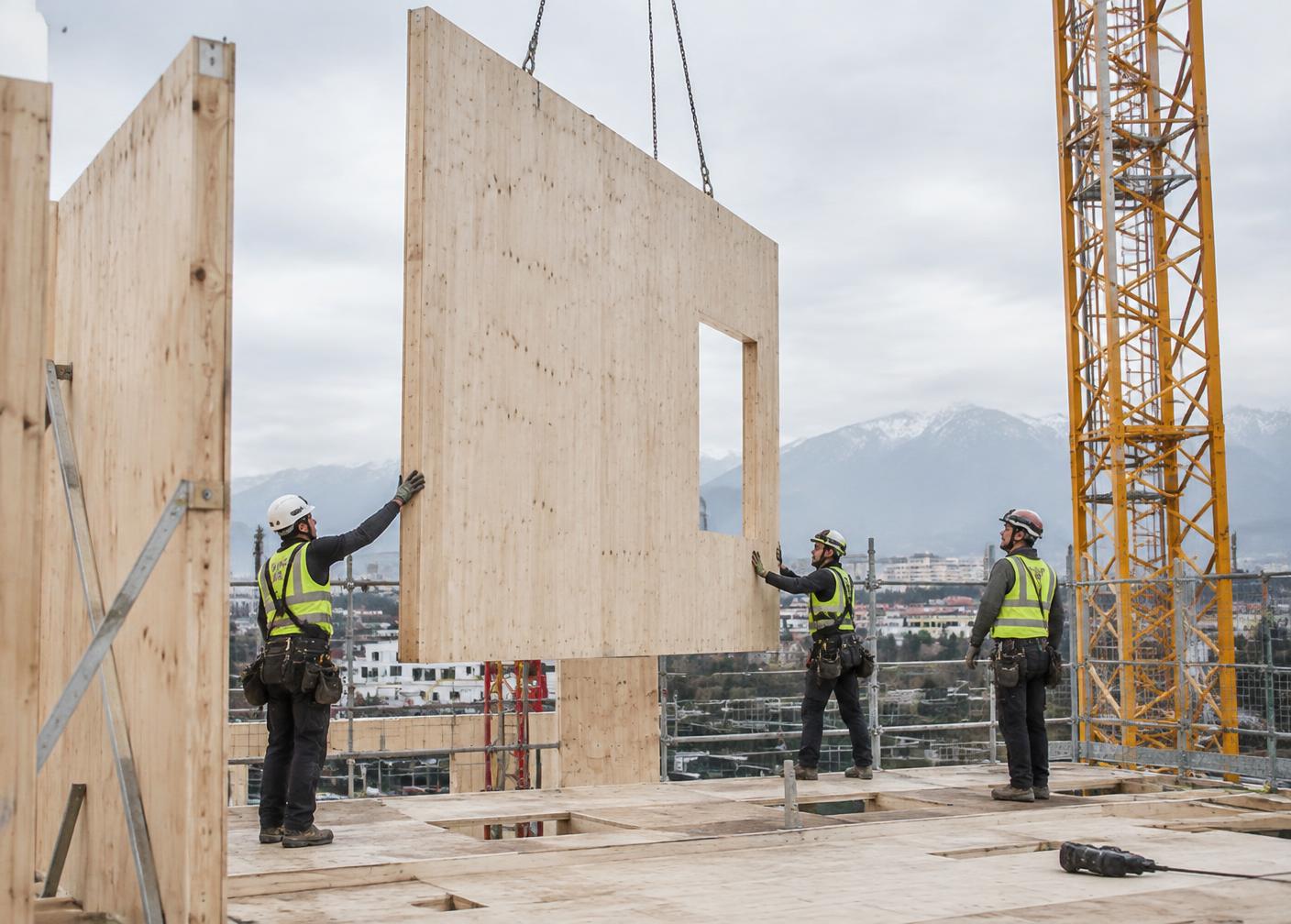
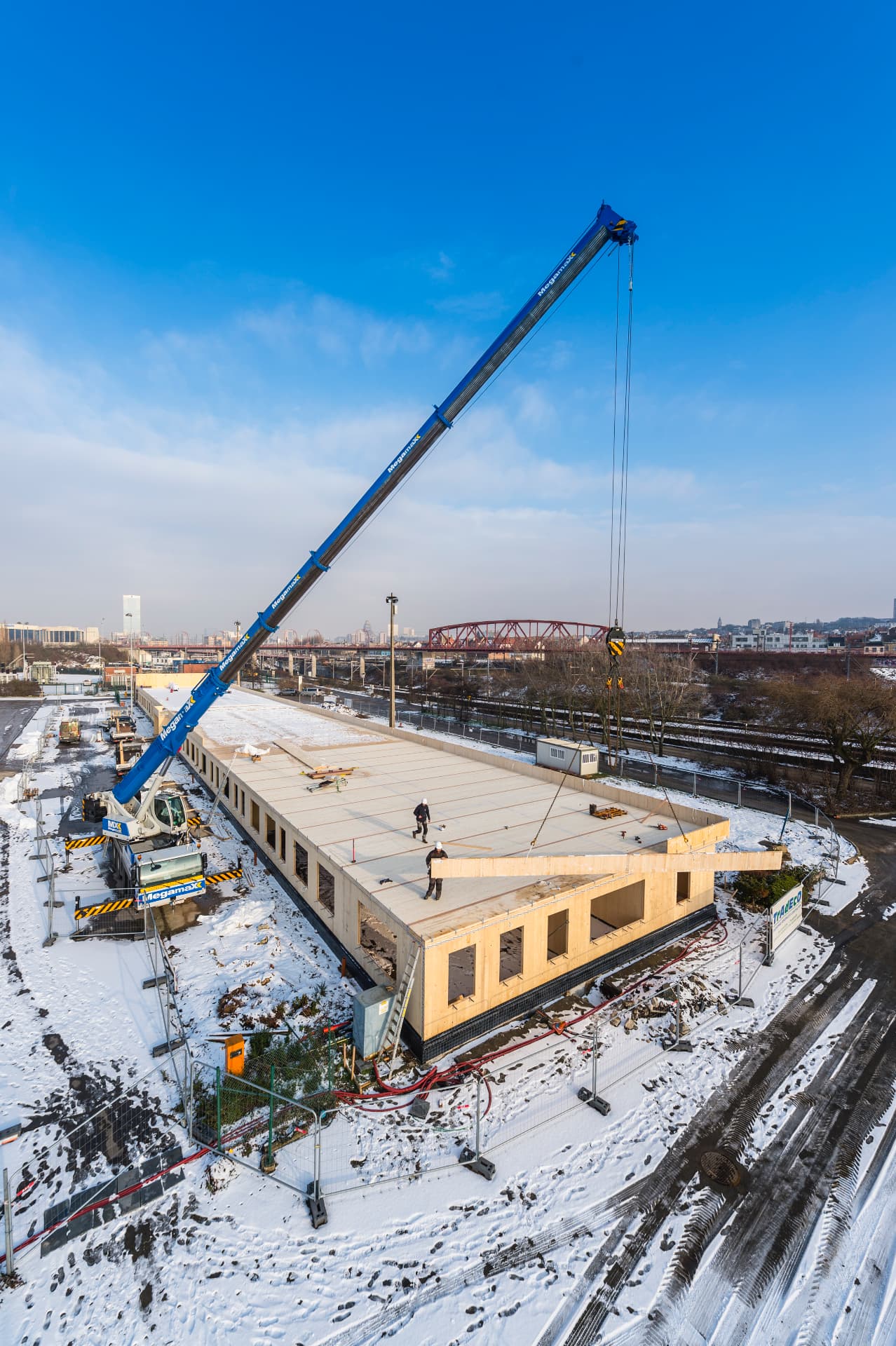
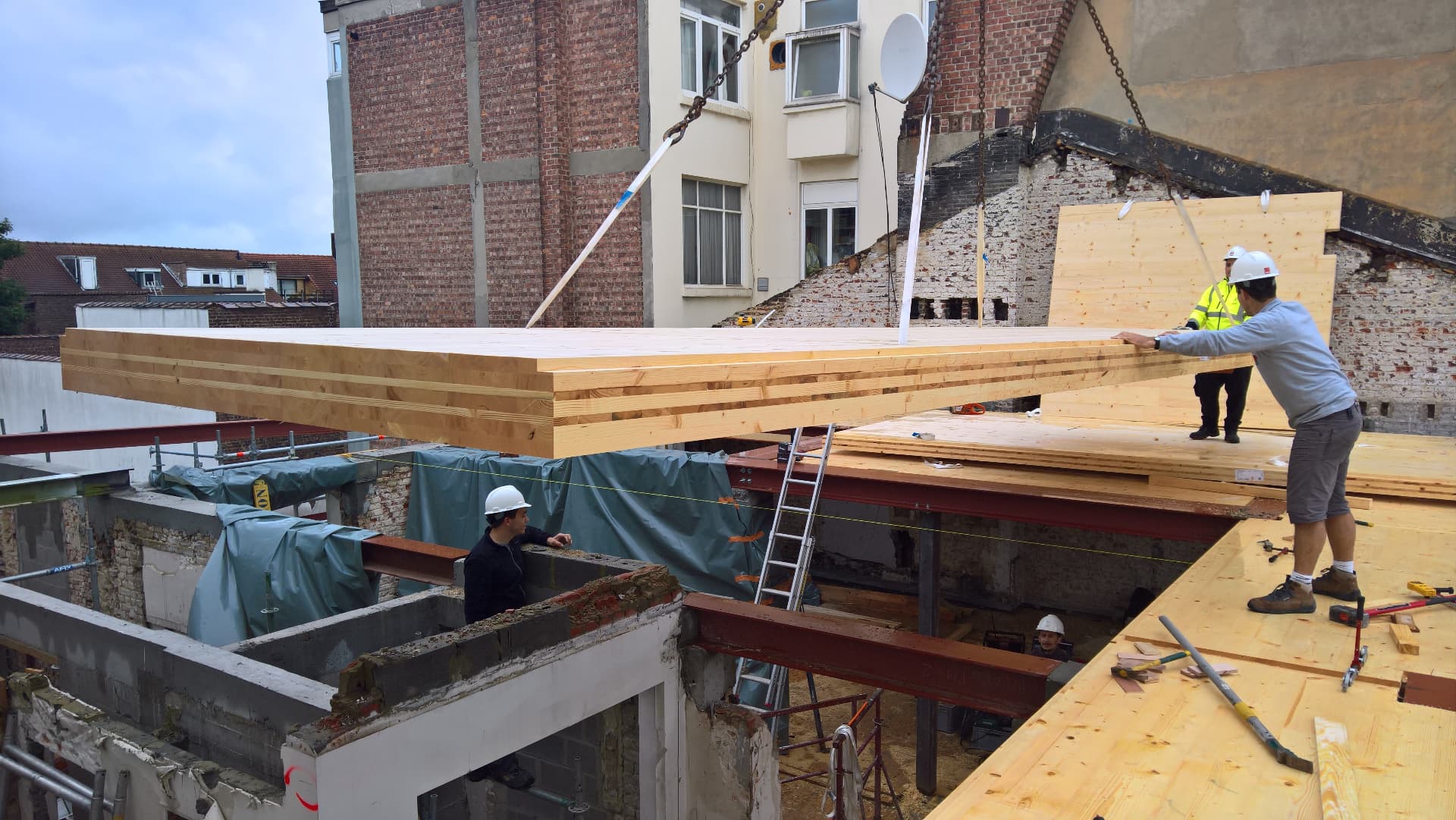
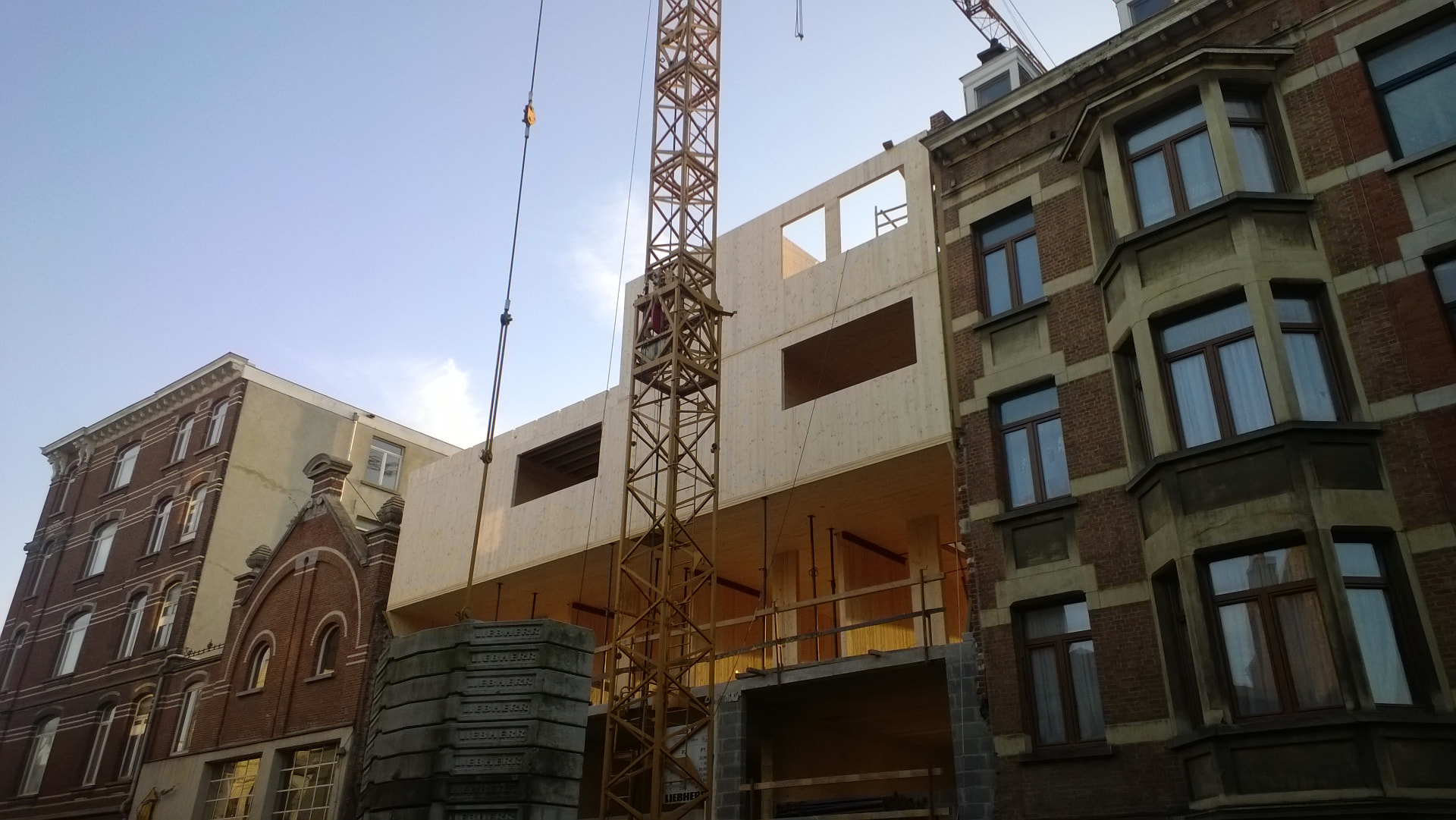
Thanks to integrating the design at an early stage (sketch/preliminary design) and a fully prefabricated system of elements accurate to the millimetre. Delivered ex works, ‘just in time’ on site, with direct placement and assembly ‘straight from the trailer’.
- 02
Advantages of timber's properties
Timber and bio-based construction
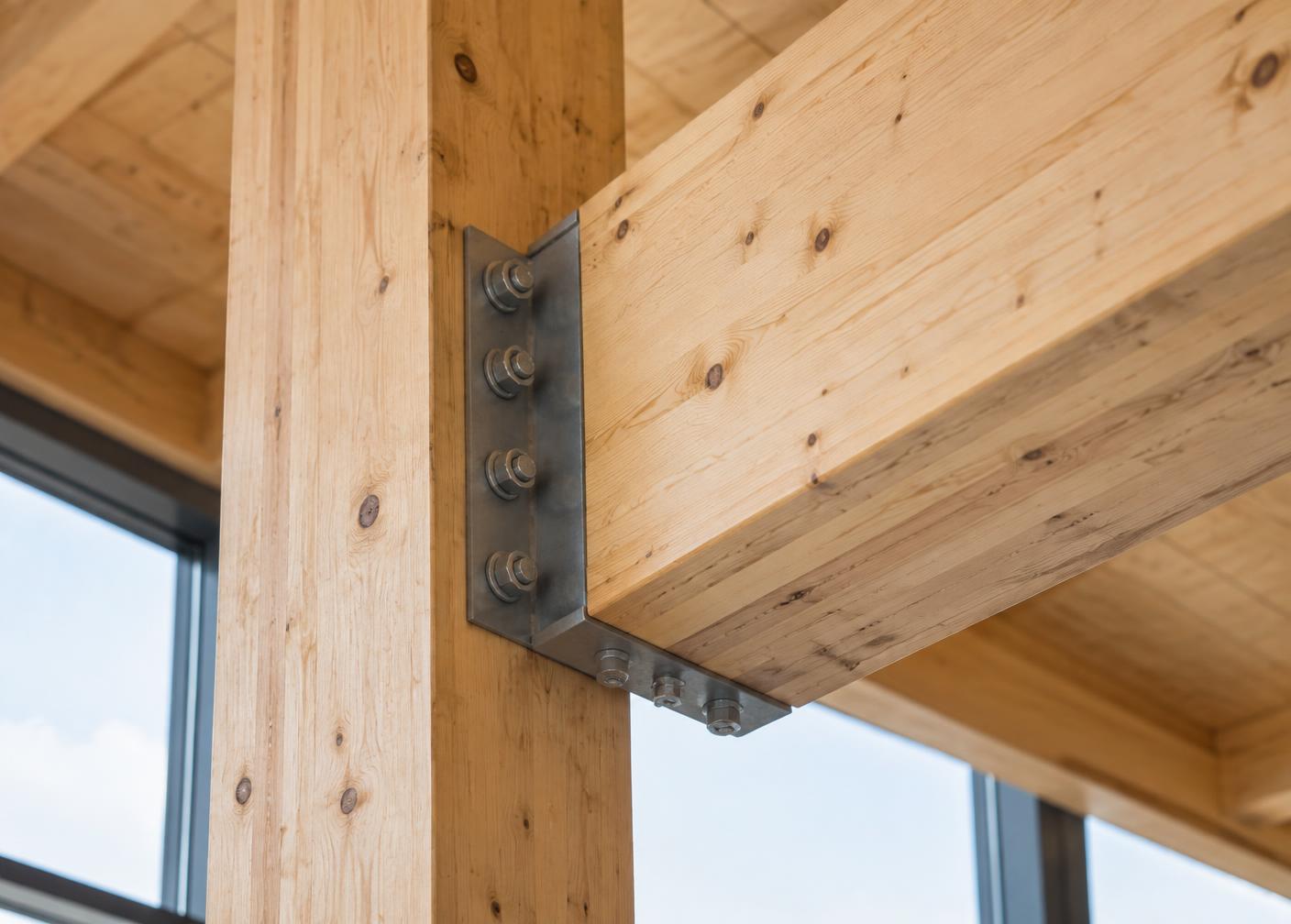
Besides the well-known advantages of timber construction (dry, light, fast, vandal-resistant, demountable and circular), current market conditions and regulations are driving a shift towards timber (CLT/timber frame/hybrid), which is now accelerating. Timber and bio-based construction is actively supported by four Dutch ministries (VRO, I&W, LVVN and KGG) through the launch of the National Biobased Building Approach (NABB).
- 03
LCA and future-proof at sale
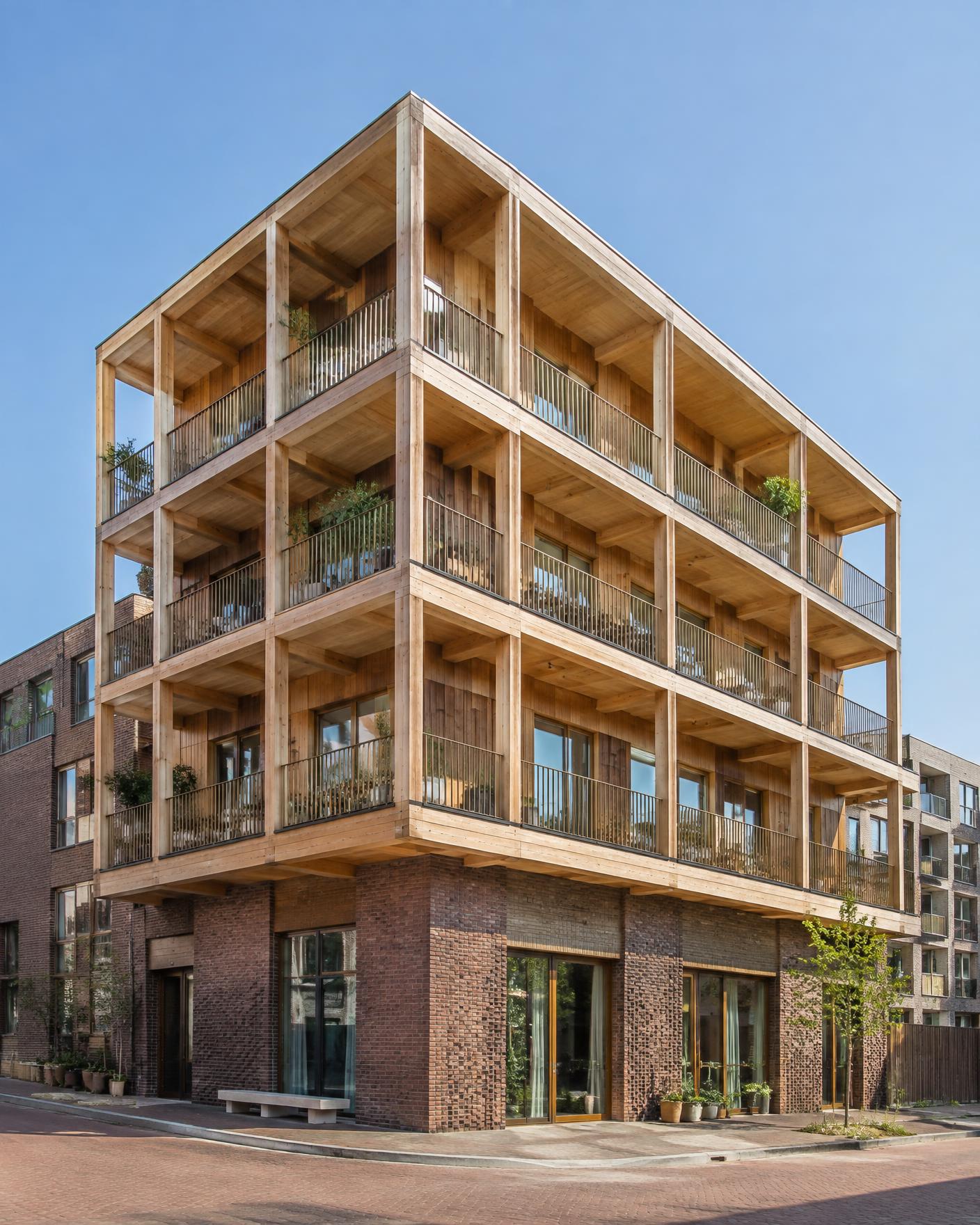
Timber construction performs better than traditional construction in life cycle analysis (LCA), total cost of ownership (TCO) and residual value calculations — quite apart from the expected CO₂ tax, further European regulation and taxation for CO₂ reduction, and their effect on the market value of property portfolios.
Trade association AEDES, representing all Dutch housing associations, supports scaling up bio-based construction because it can contribute to CO₂/nitrogen reduction, circularity and faster housing production — provided affordability keeps pace.
- 04
Affordability
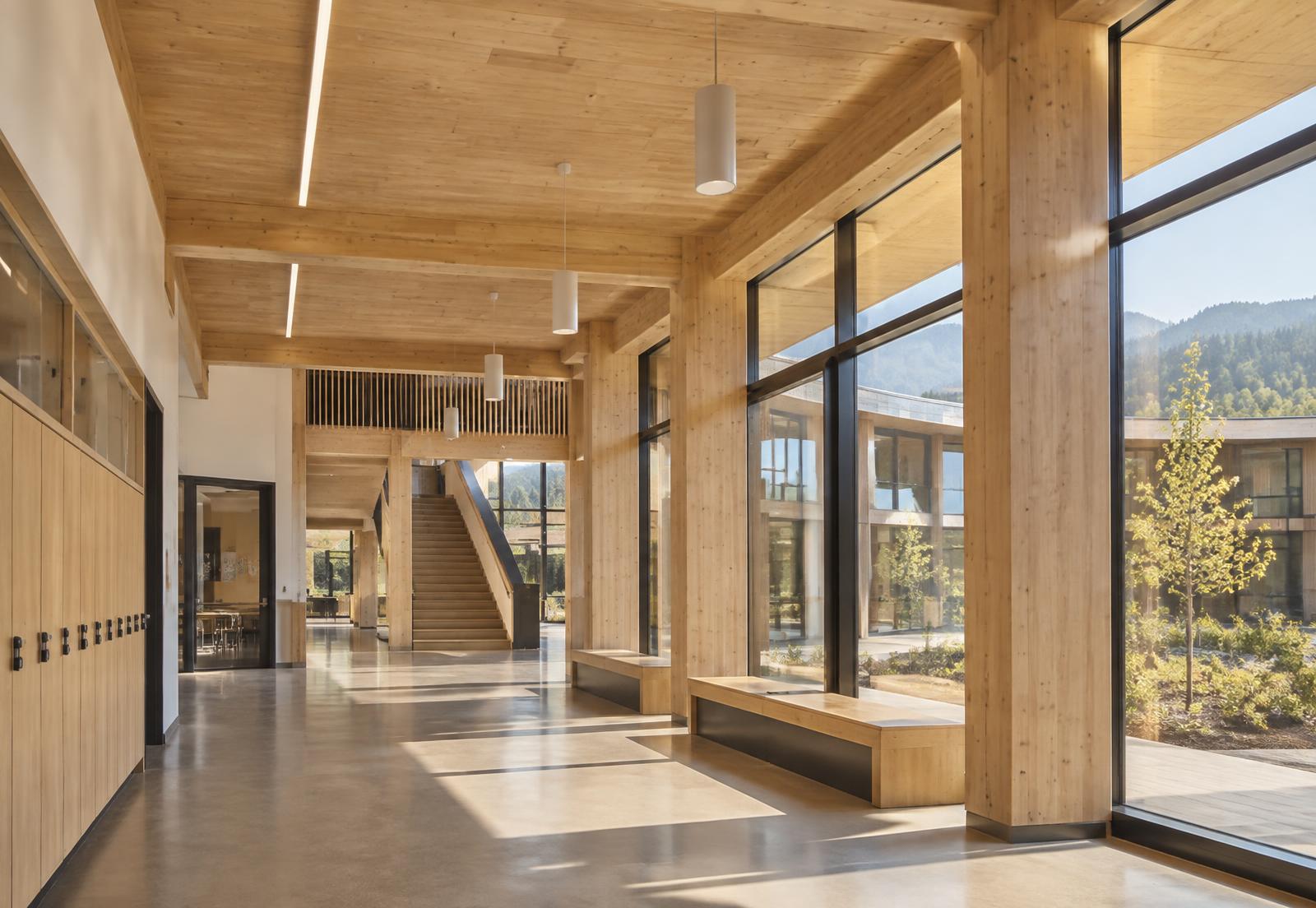
A key condition for scaling up timber construction (especially for AEDES and the Ministry of VRO) is affordability compared with traditional construction. In 2026 this comparison now favours timber in direct building costs (materials and labour), given the higher, dry building speed.
- 05
Flexibility
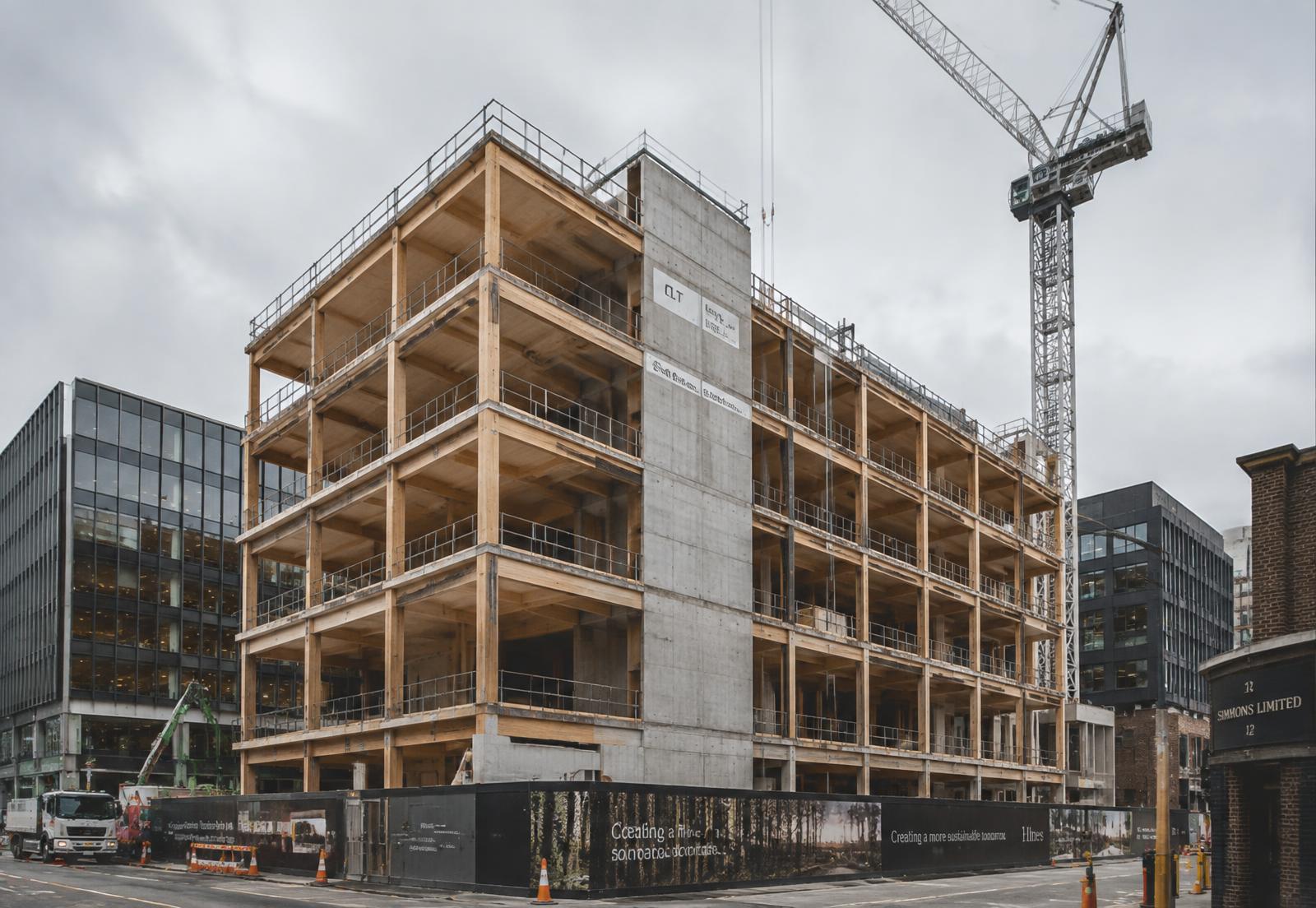
A design in solid CLT timber, whether or not hybrid with steel or timber-frame elements, adapts flexibly to other housing segments and target groups.
- 06
Quality and other aspects of timber
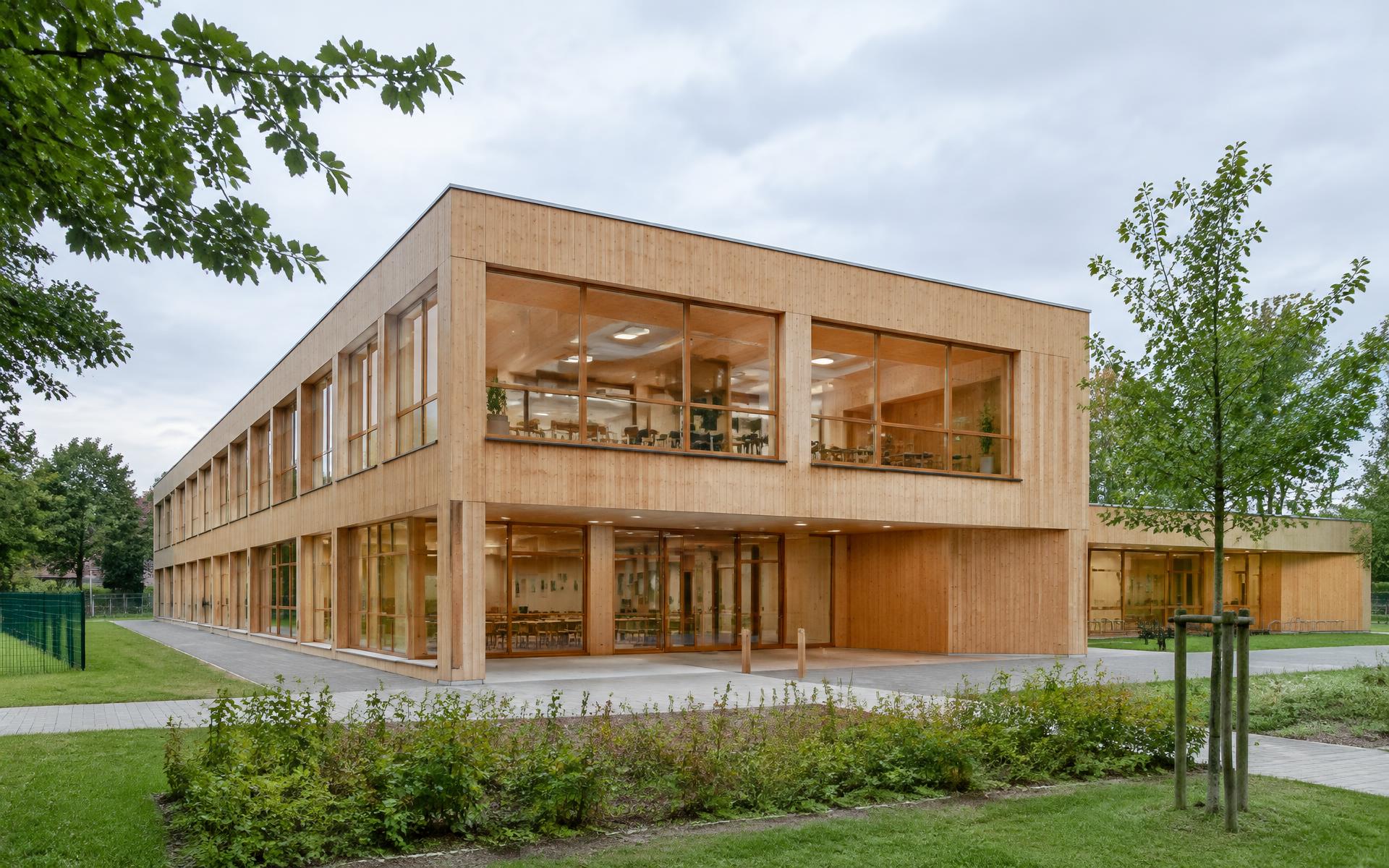
In recent years critical arguments have sometimes been raised about timber construction (often by the traditional materials and construction industry). Issues such as fire safety, moisture control and even insurability have sometimes unjustly stuck. By mid-2026, timber construction has been amply proven in practice in the Netherlands and worldwide.
The aim is to scale up quickly to 30% of all new-build production, making a crucial start on existential CO₂ reduction. The Amsterdam Metropolitan Area has already set the example by requiring 30% of all new housing projects to be built in timber. Given the heat stress of recent summers, other urban regions will soon follow.
Moisture regulation
“Because timber is a natural, breathing material, it acts as an automatic humidity regulator for your building.”